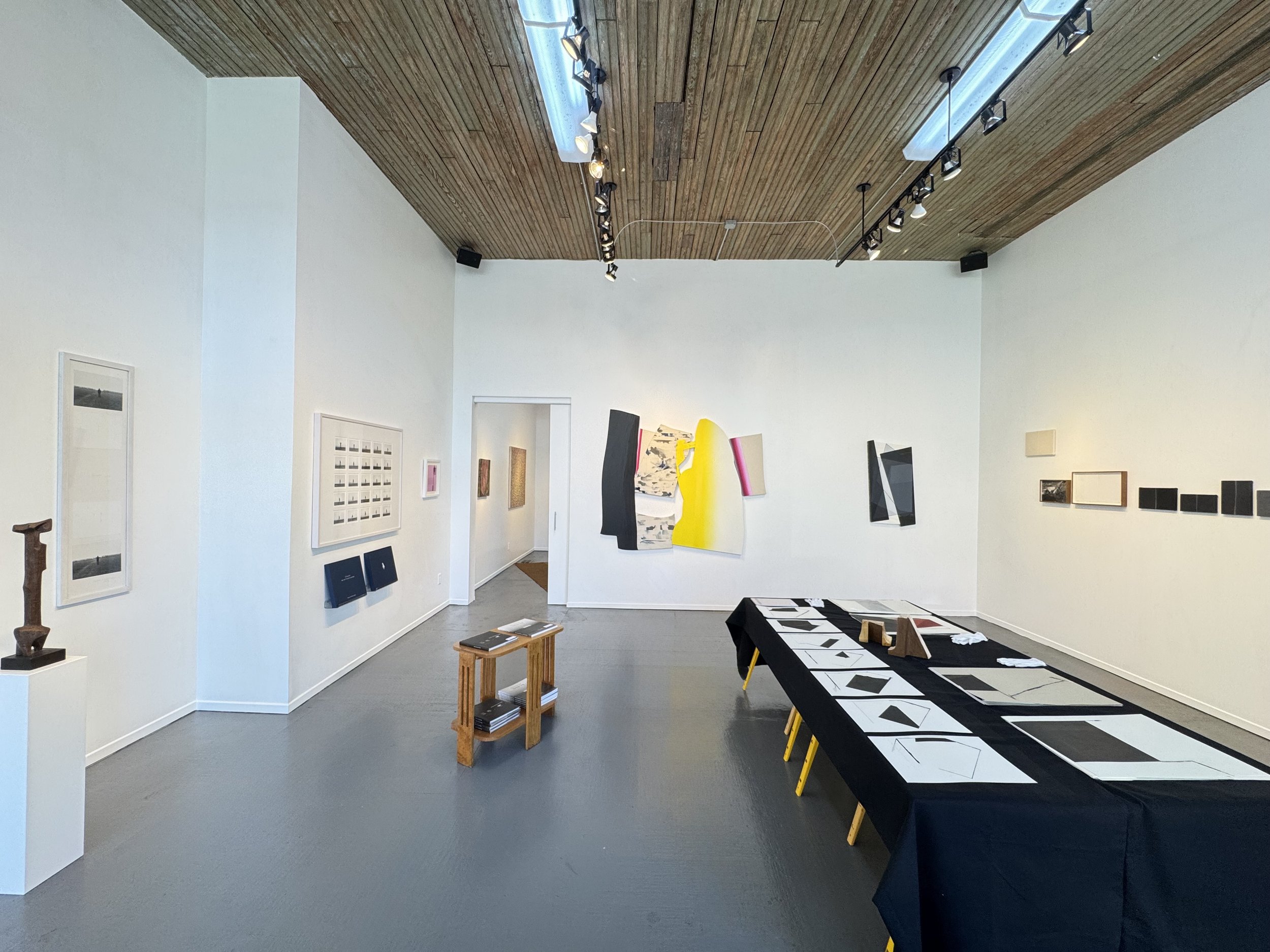
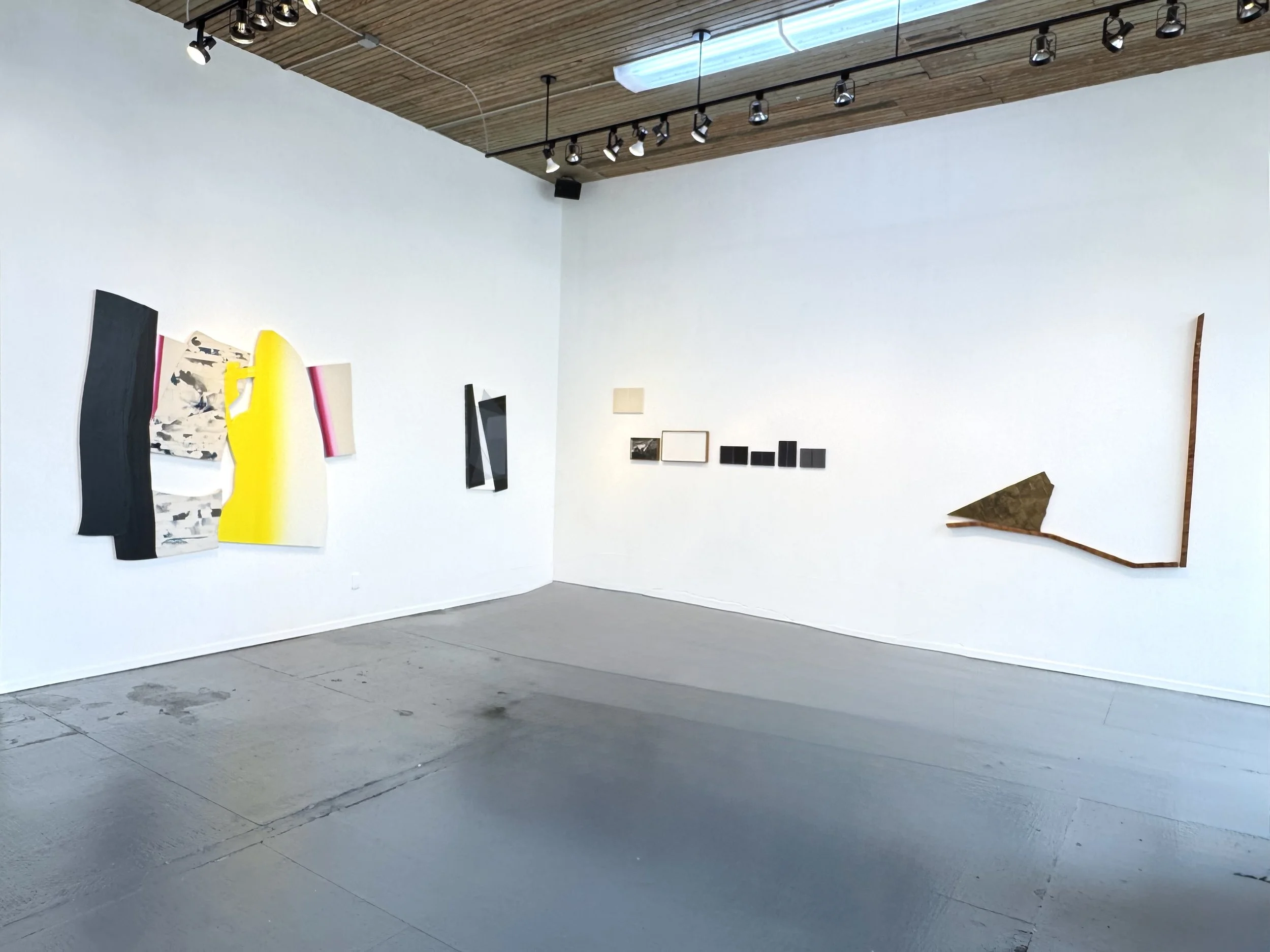
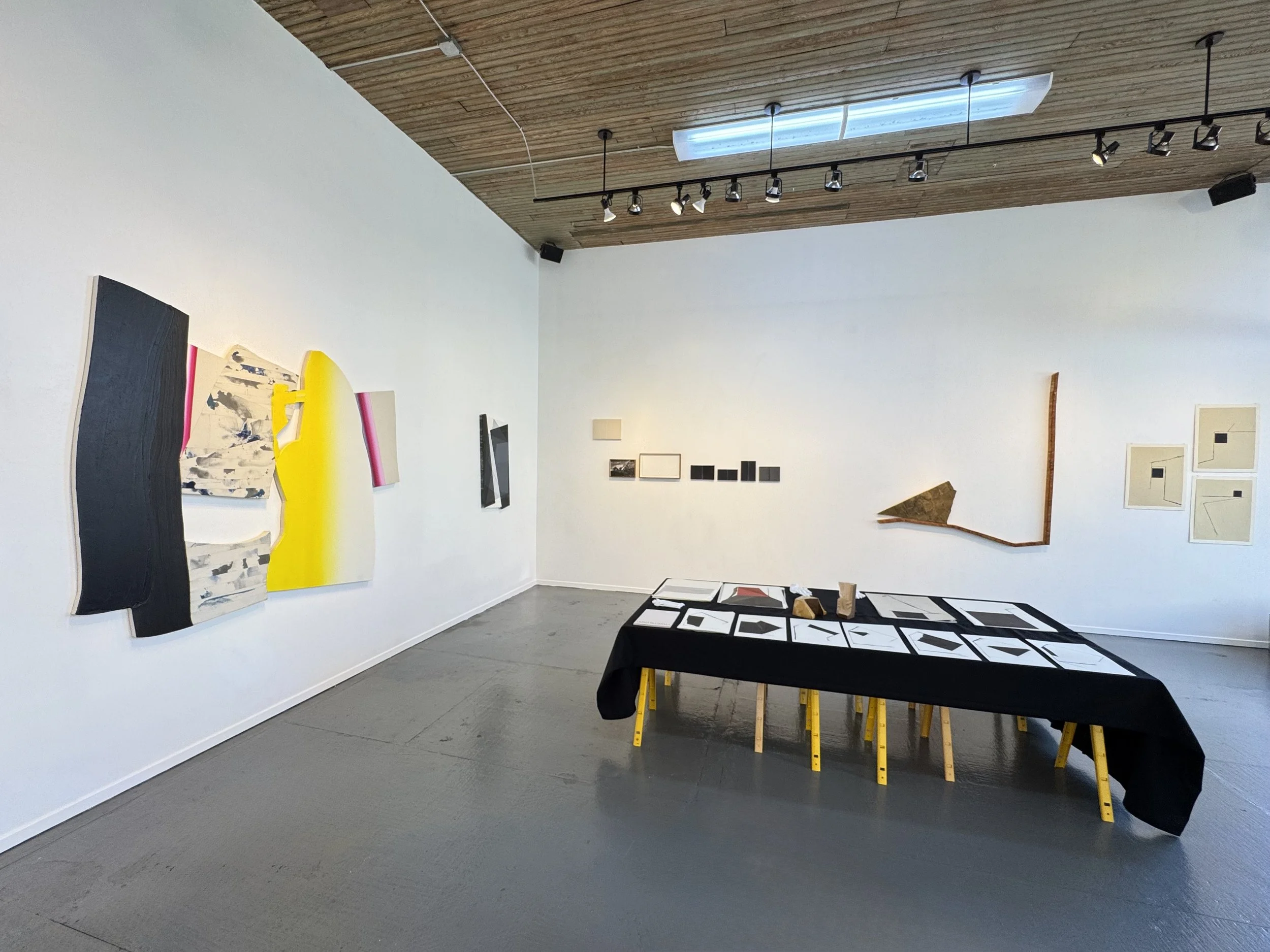
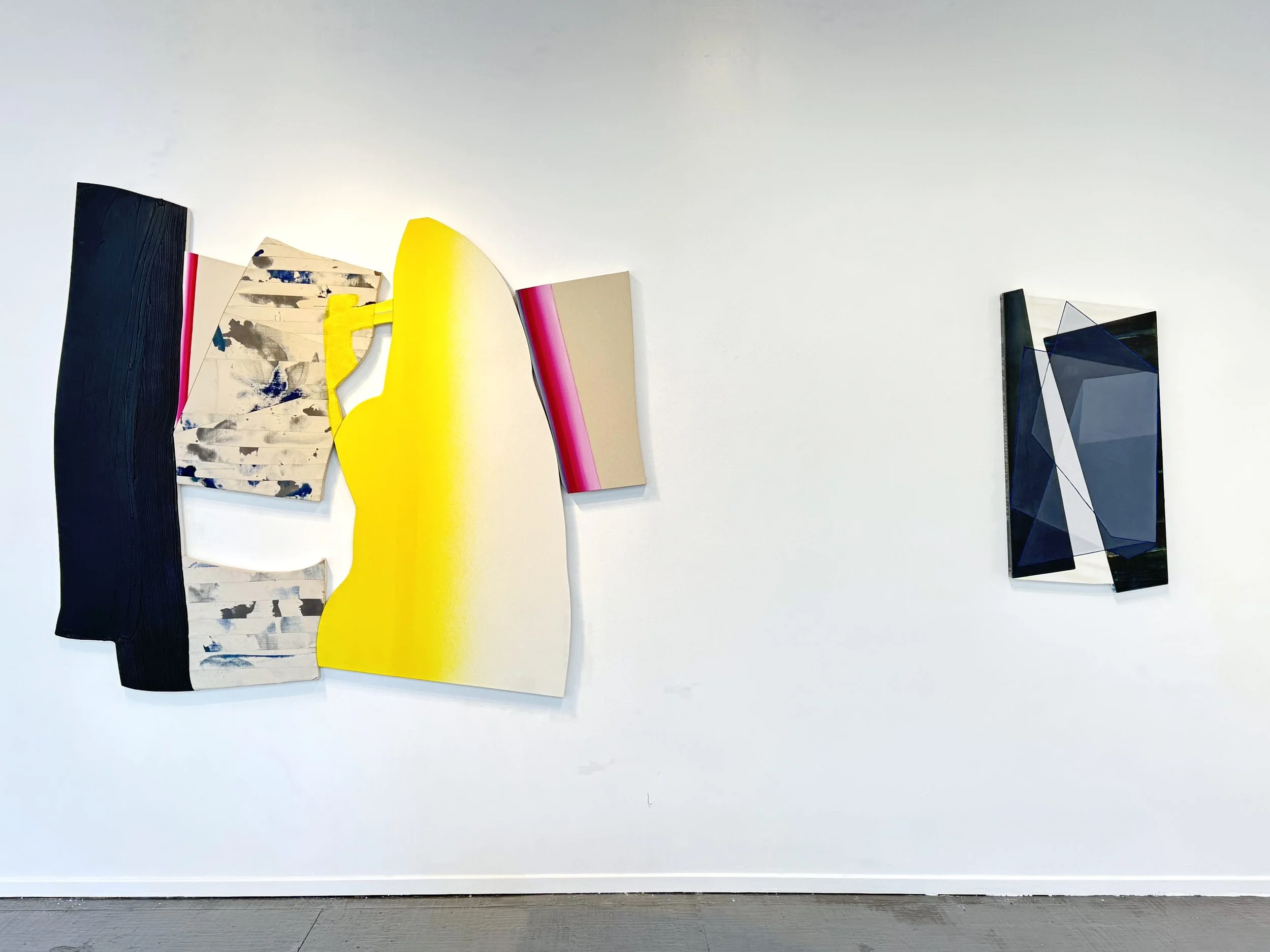
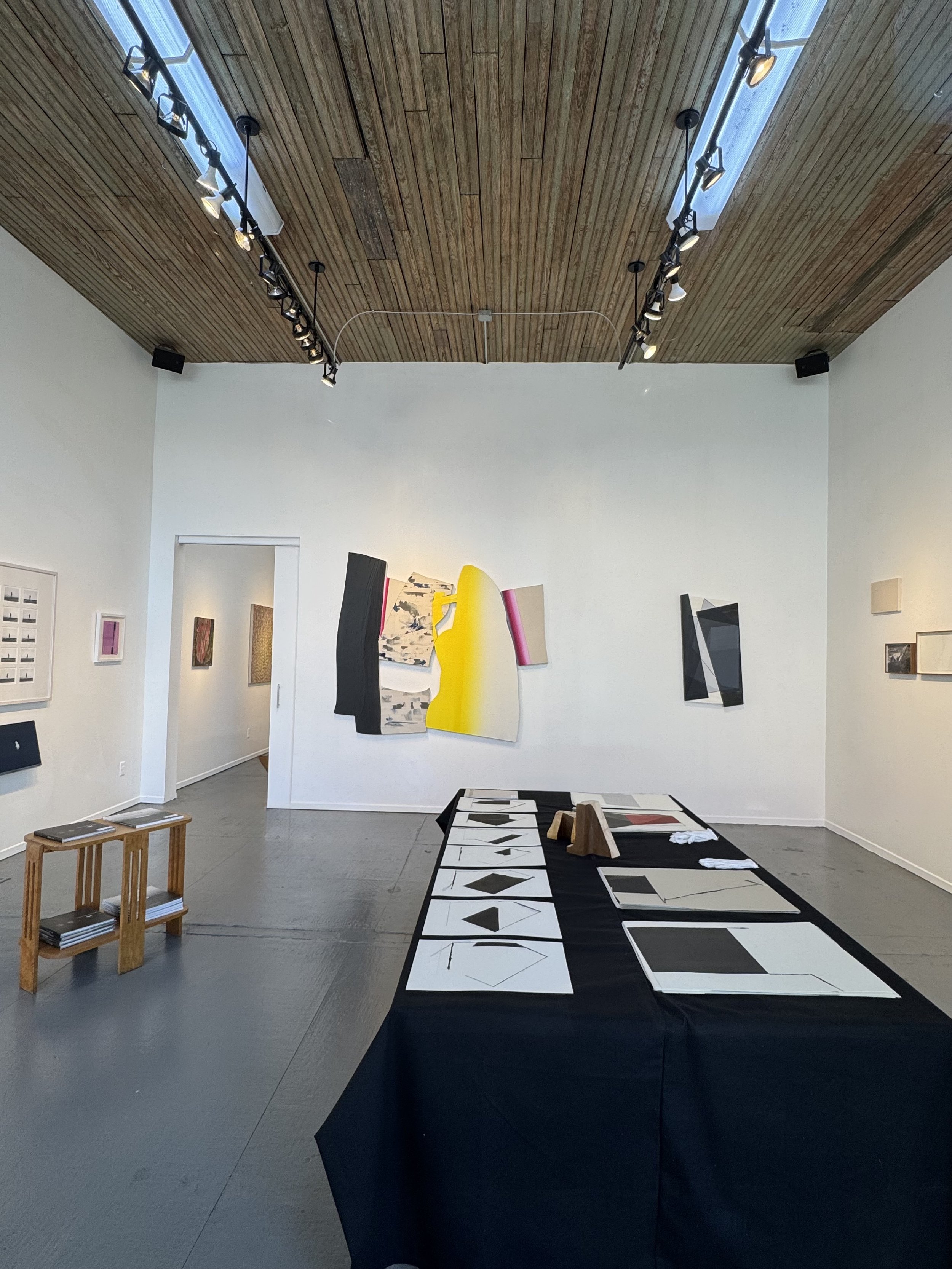
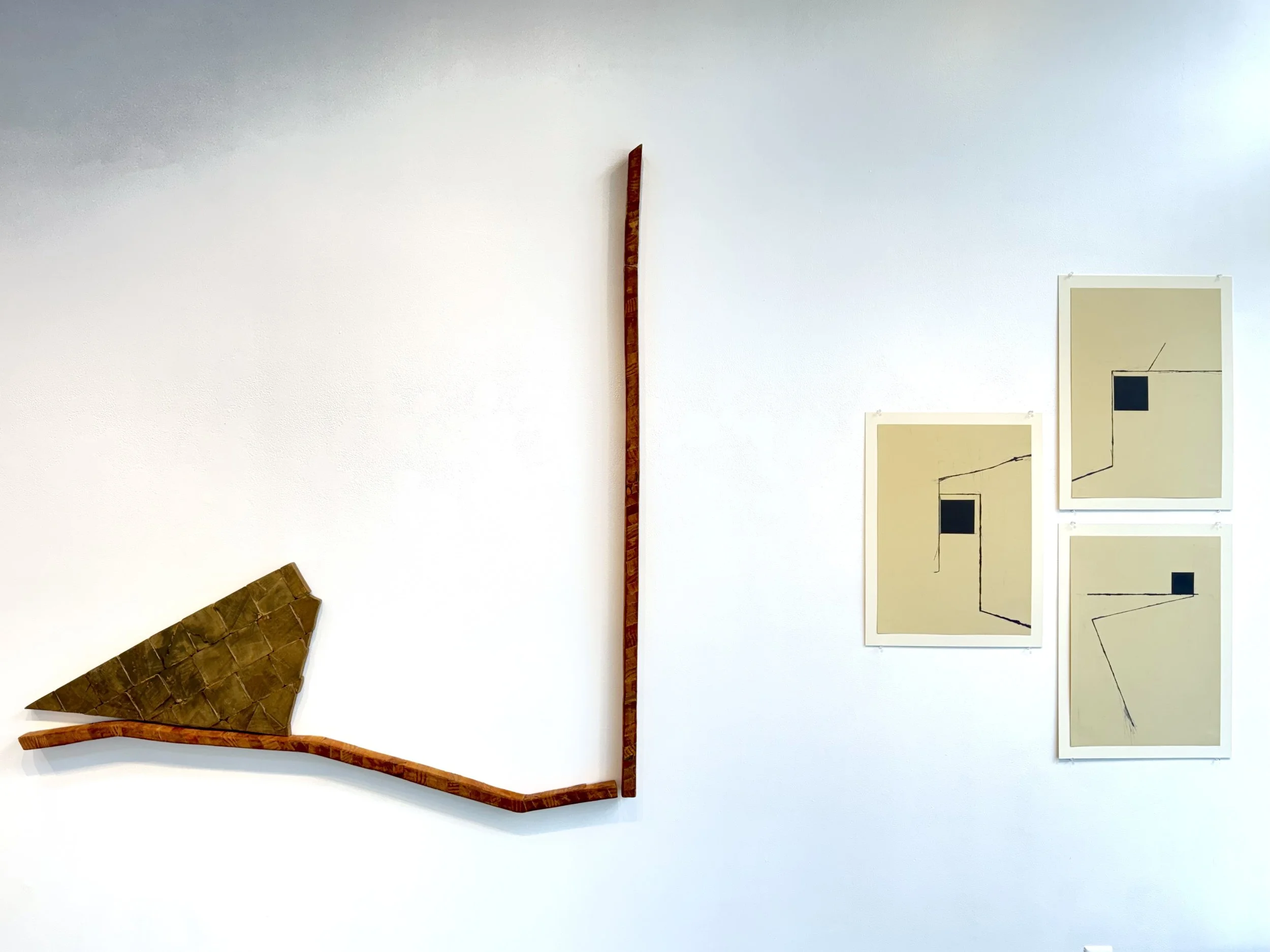
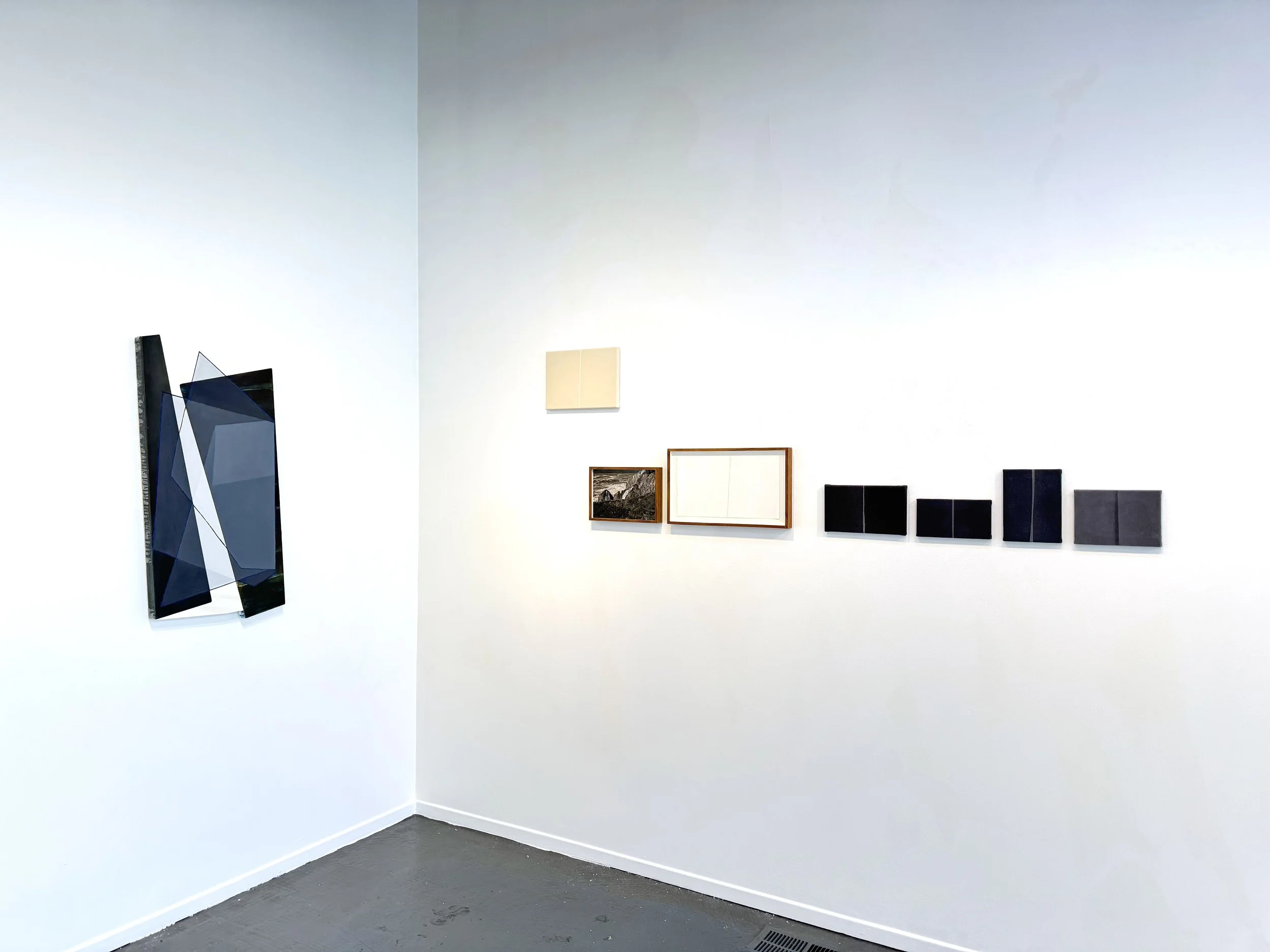
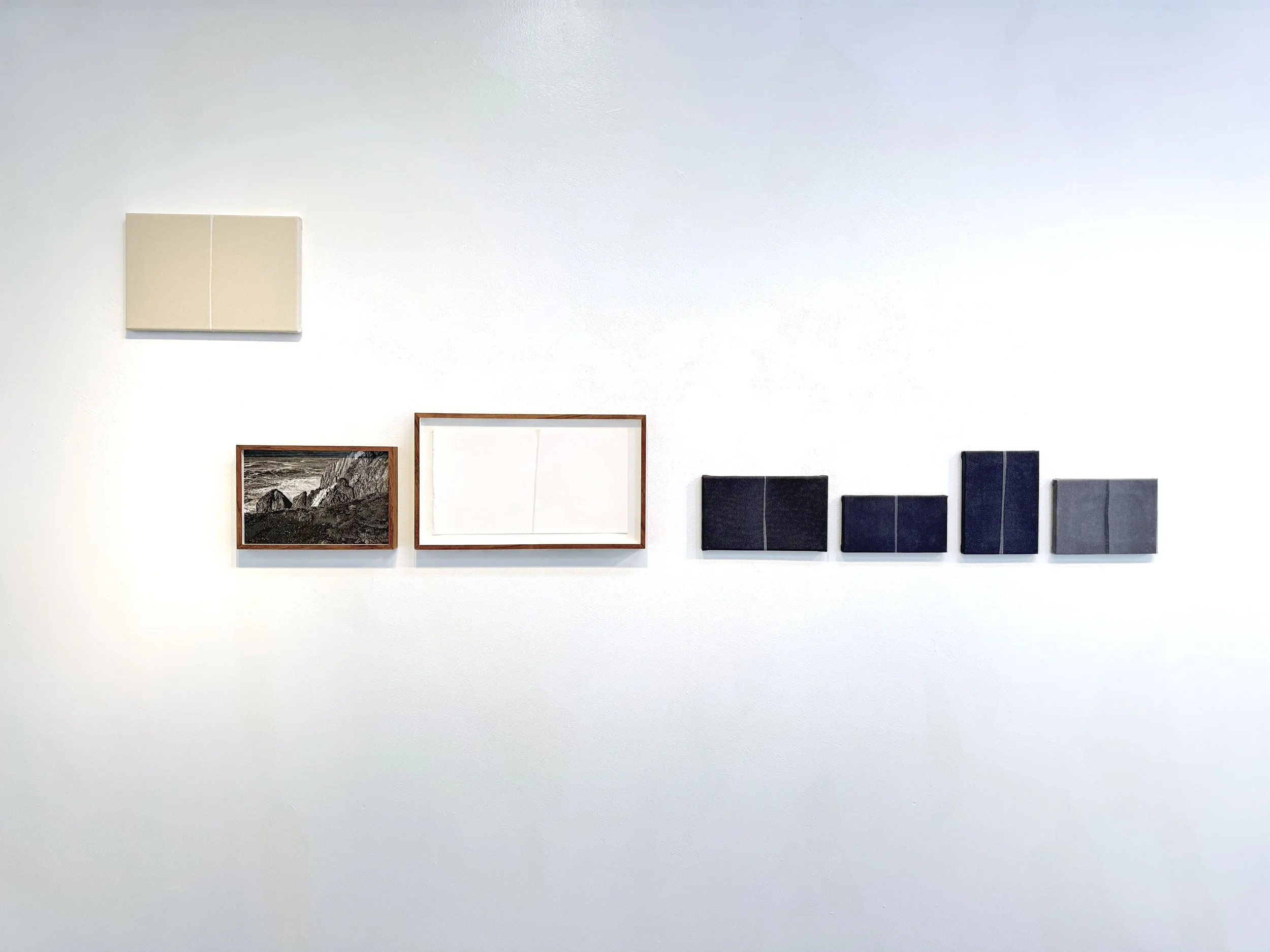
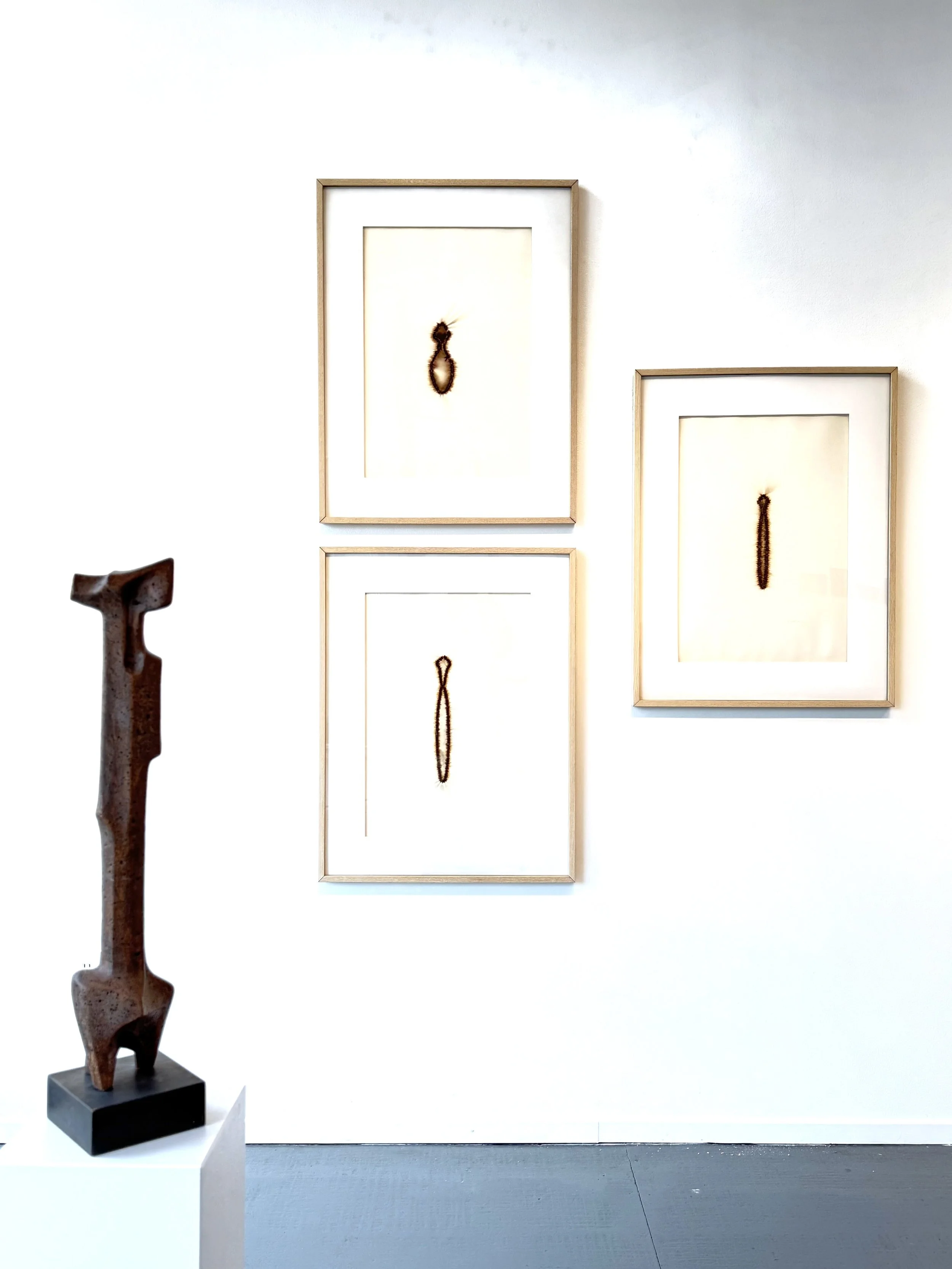
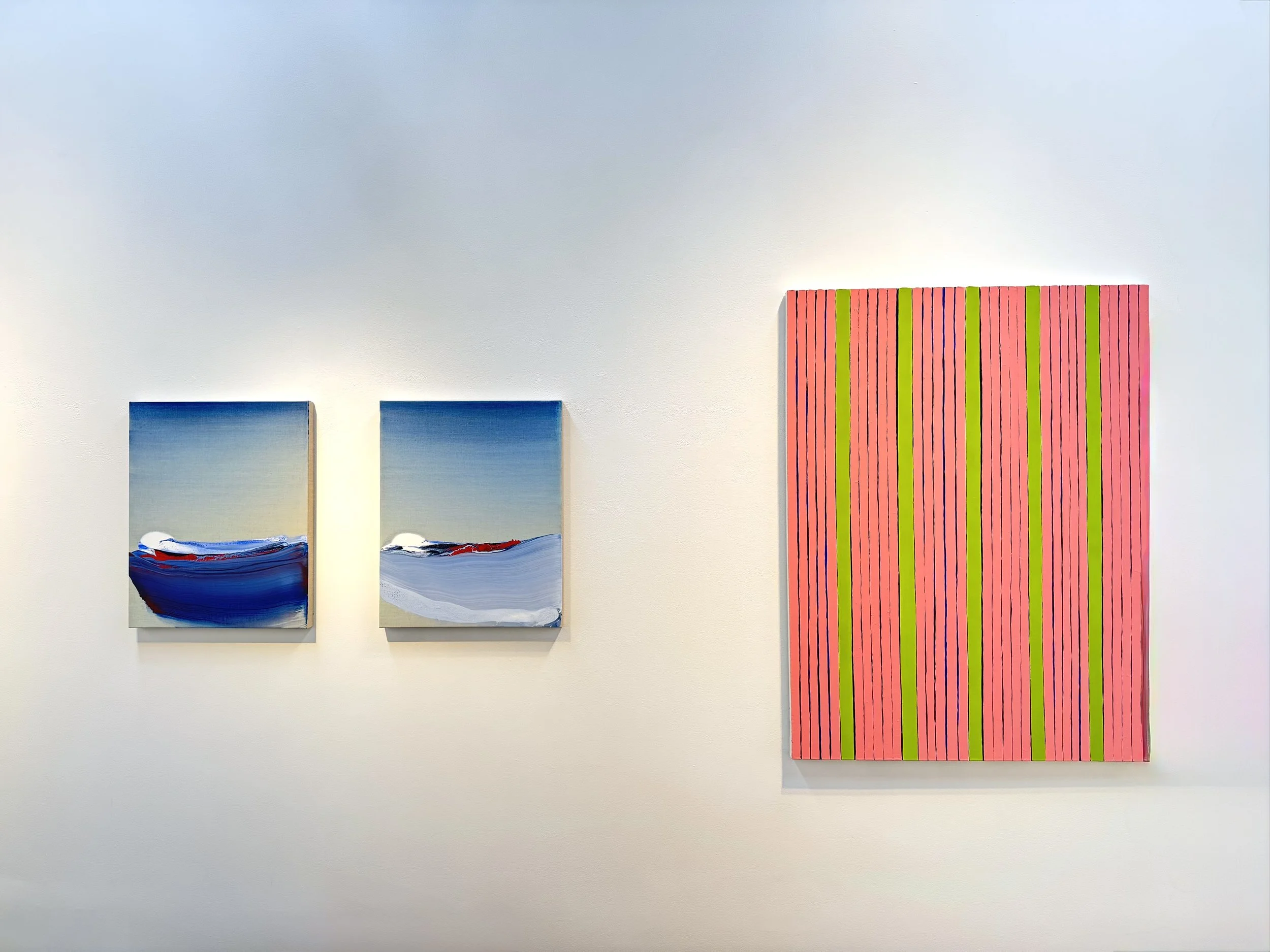
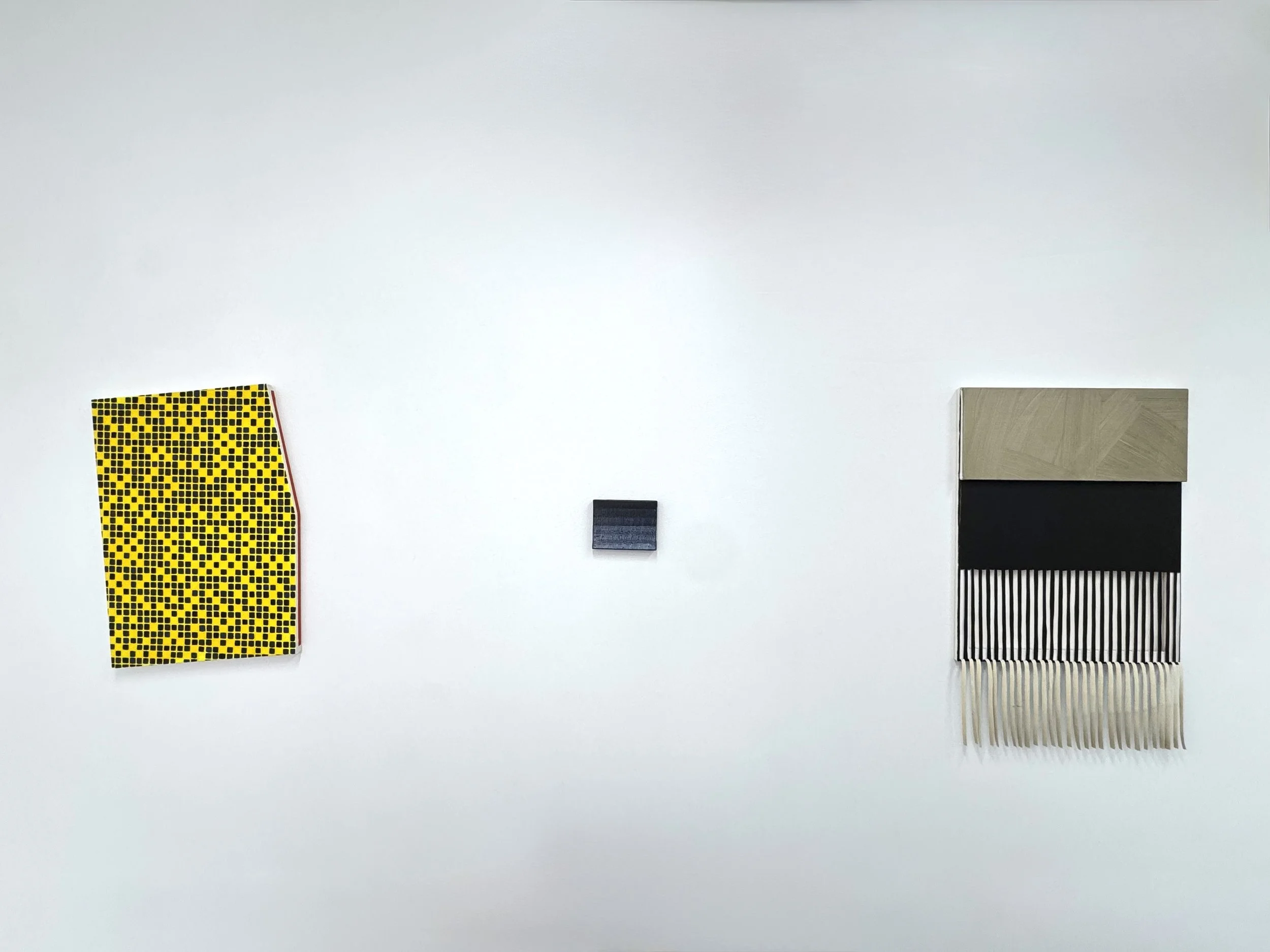
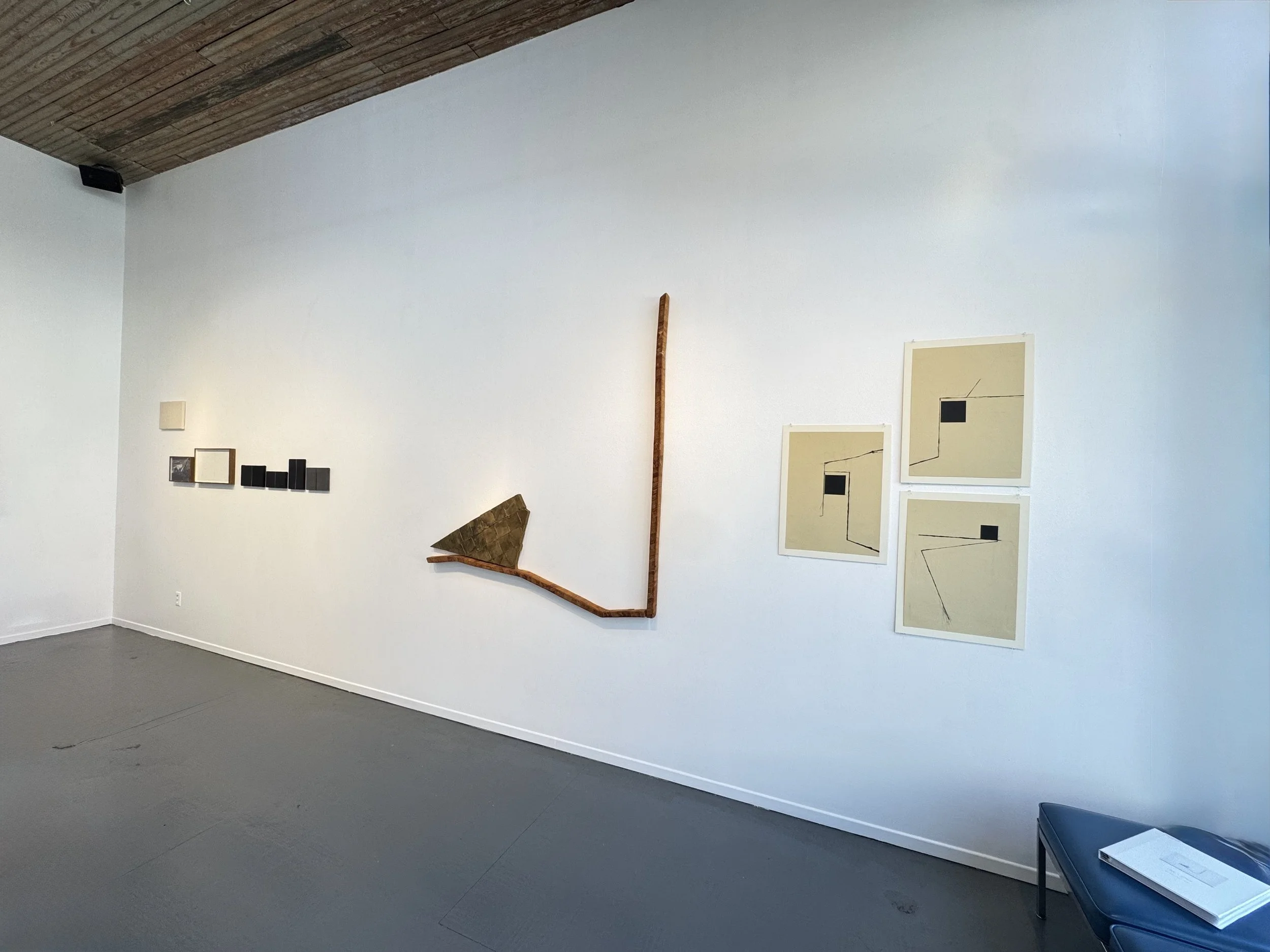
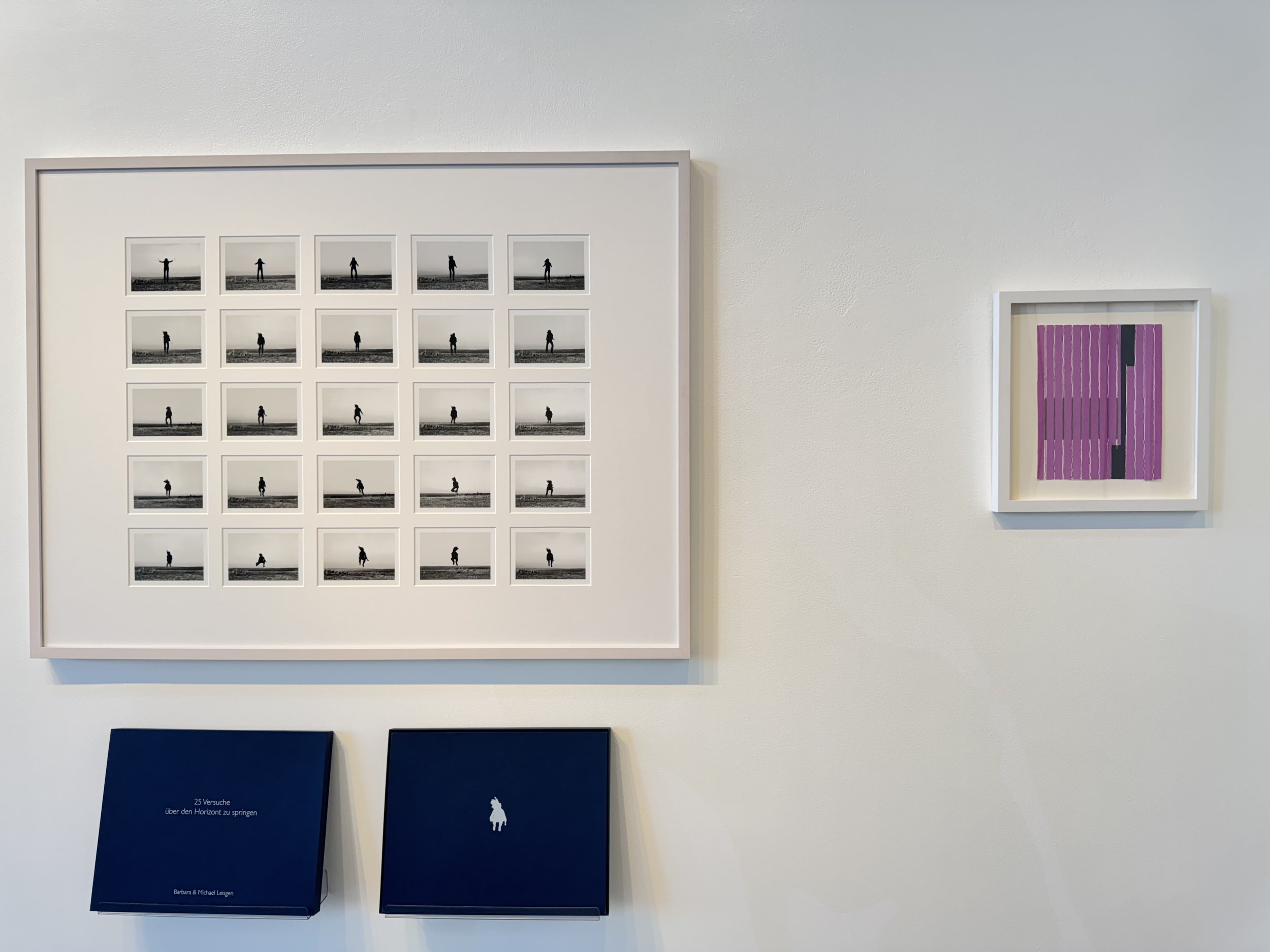
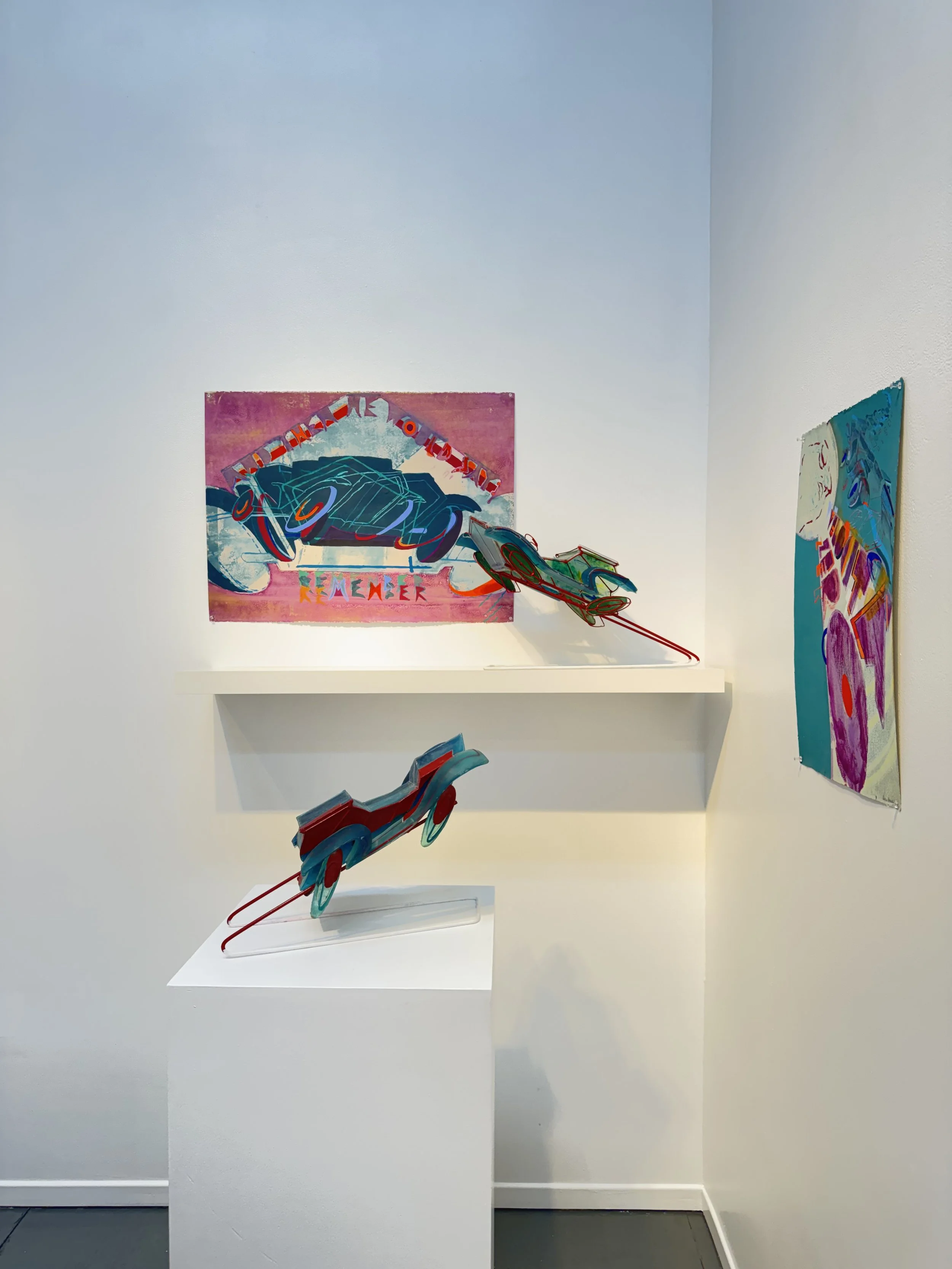
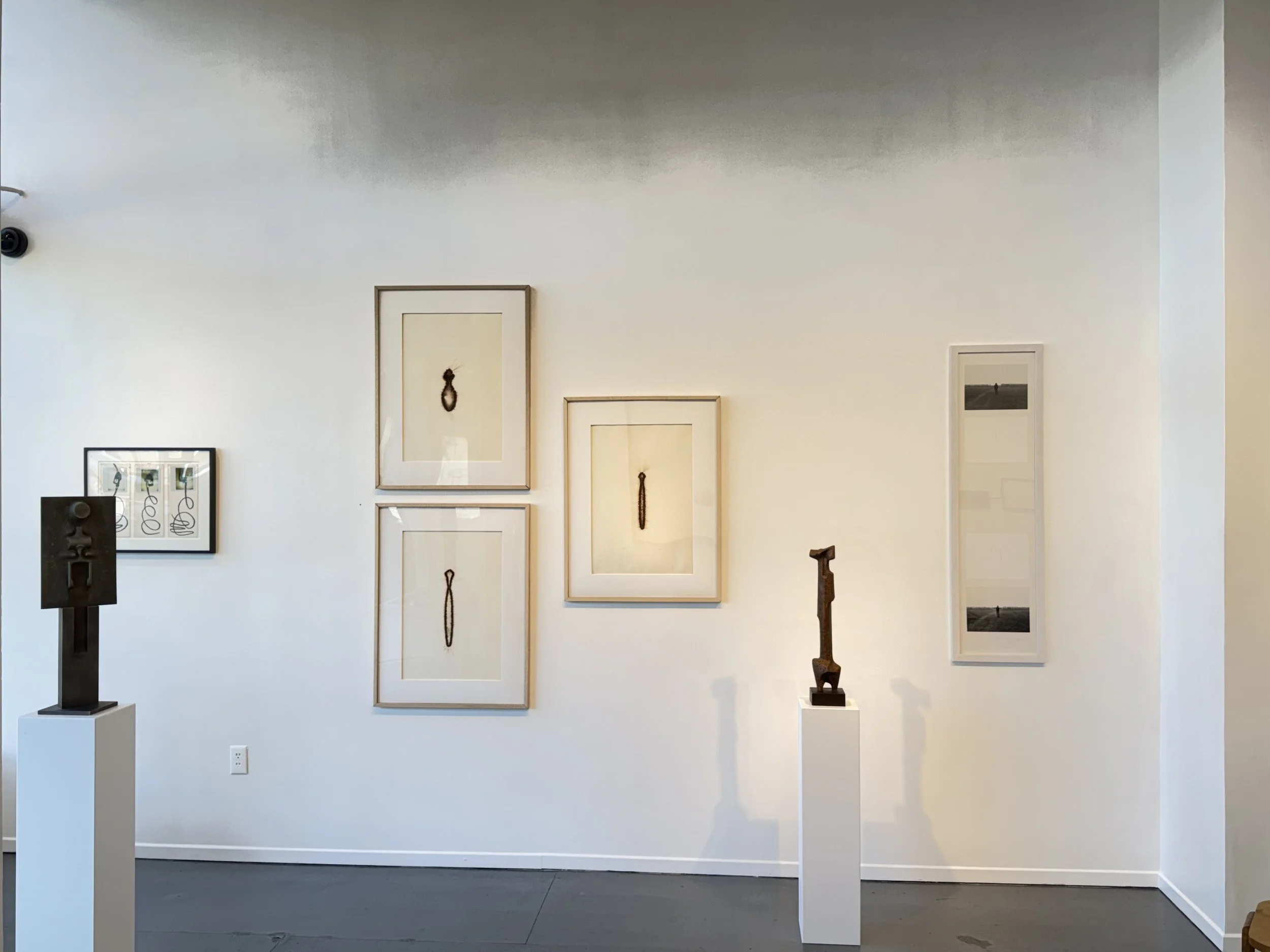
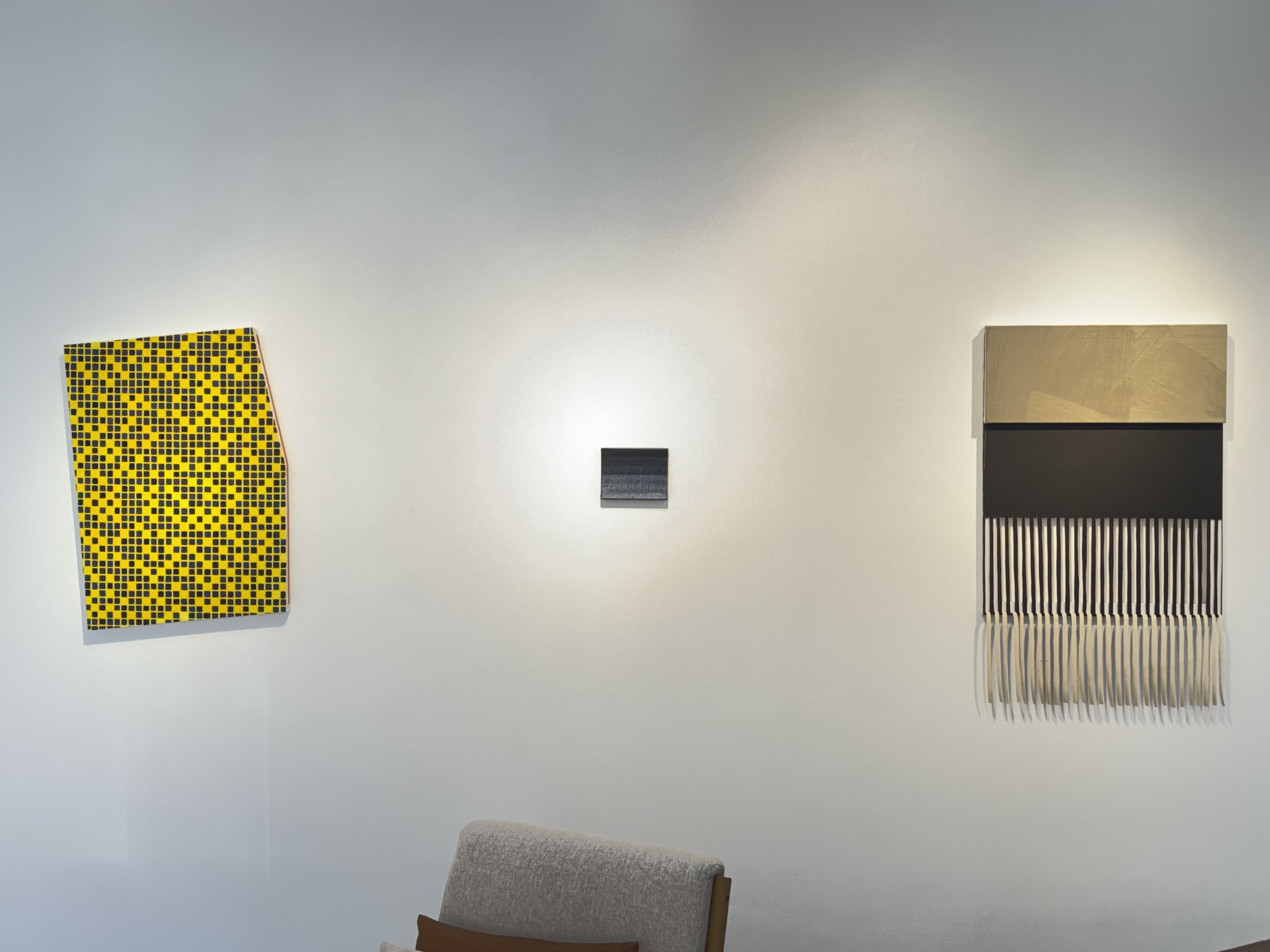
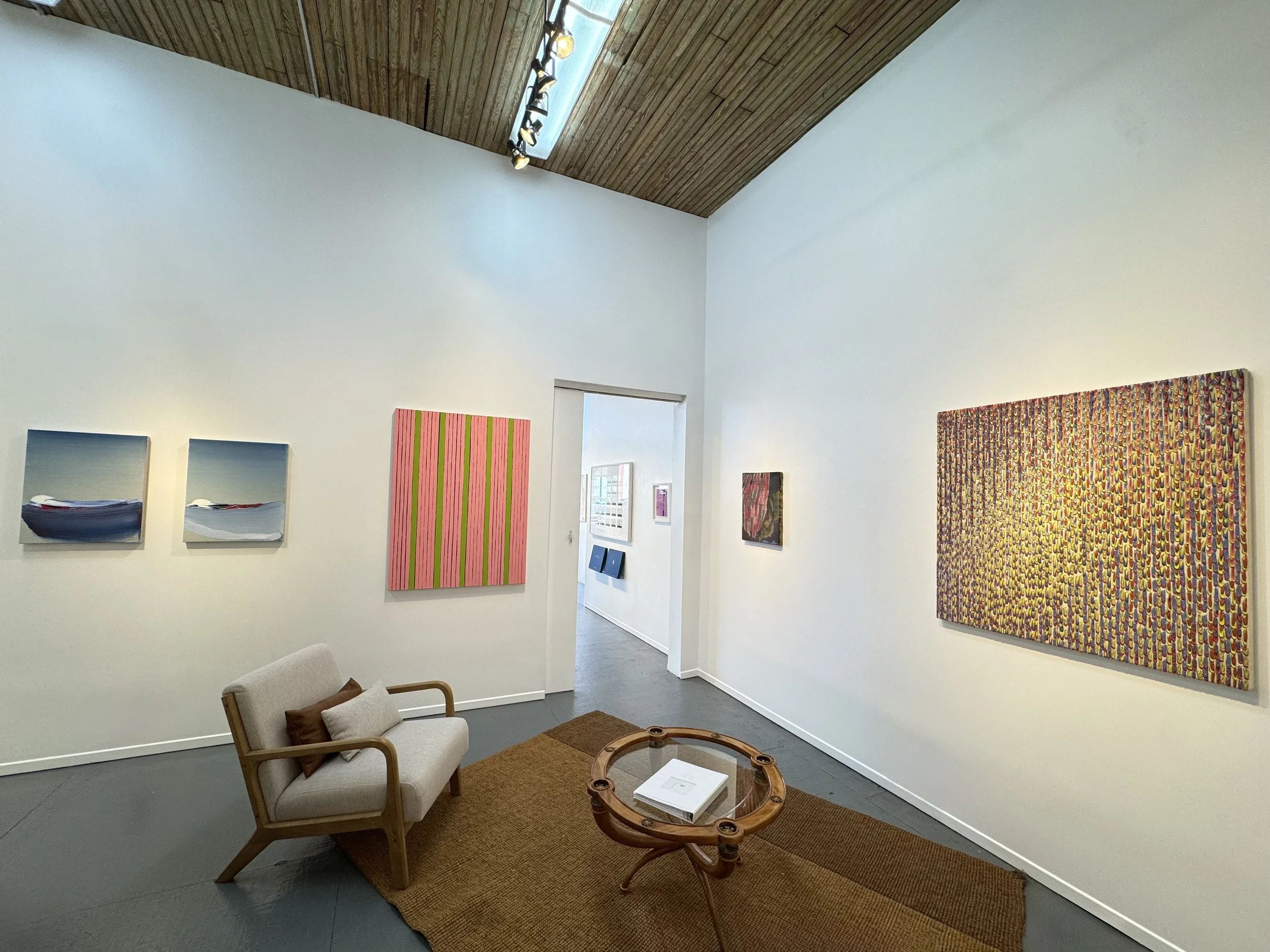
-
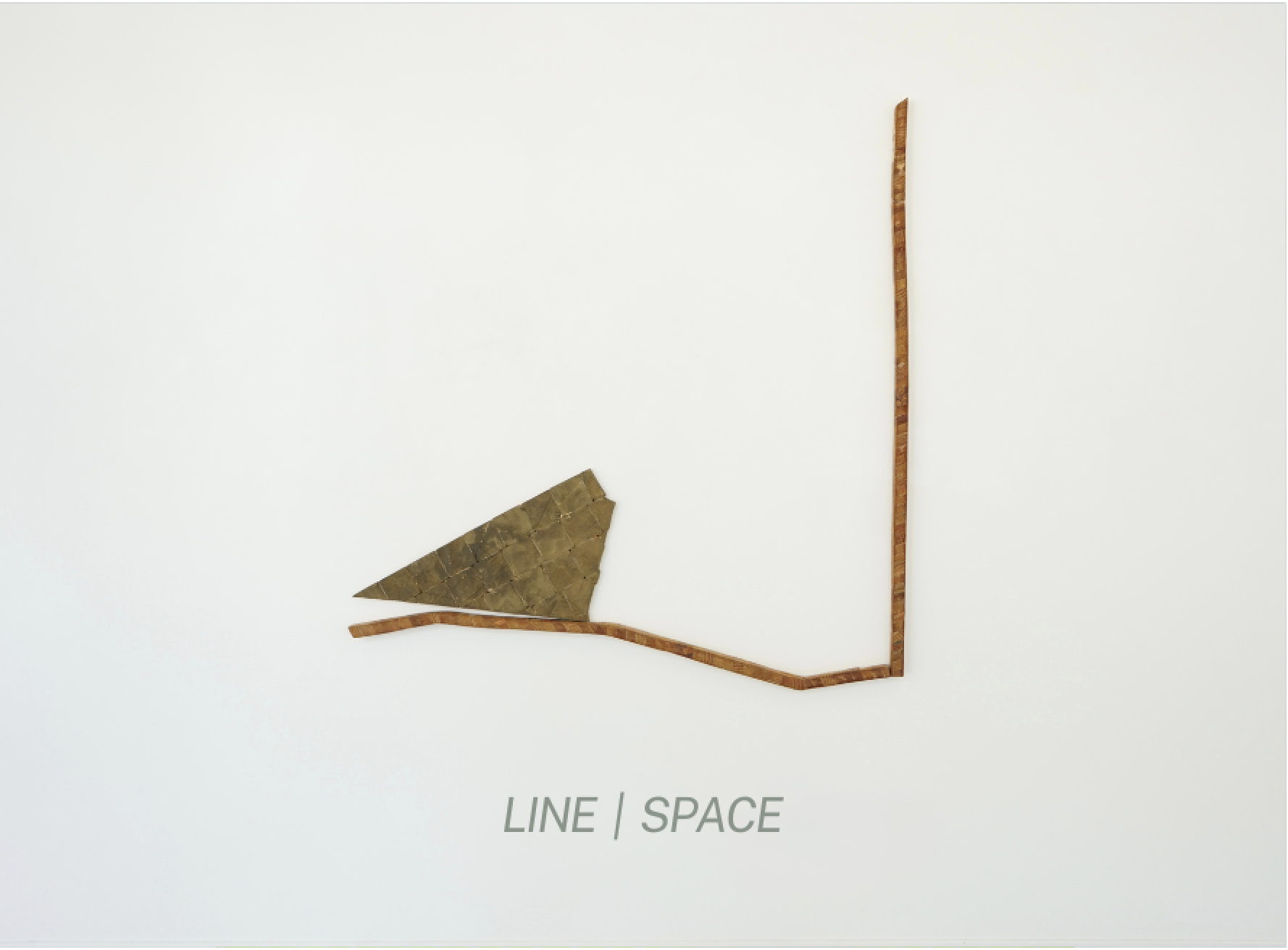
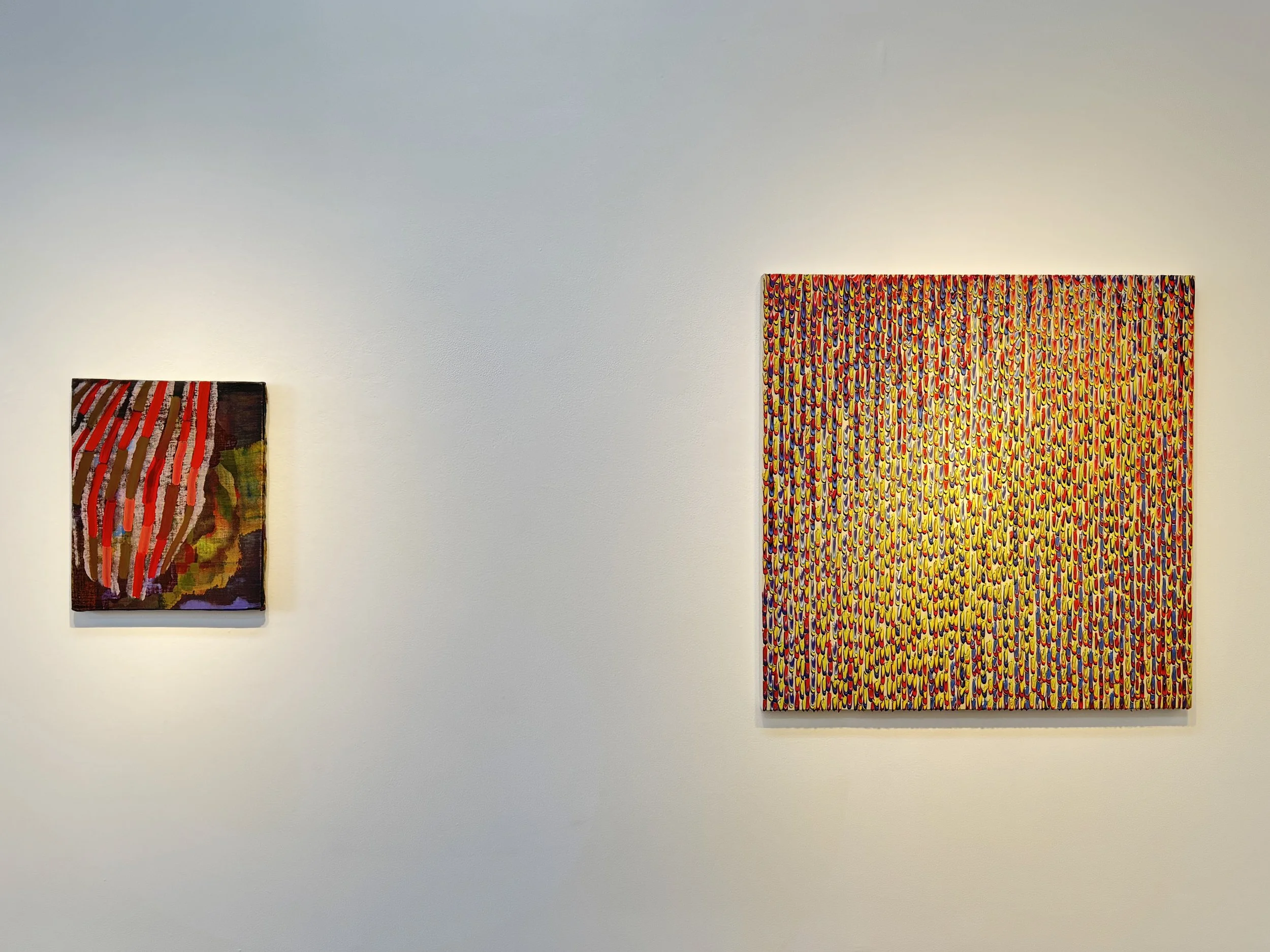
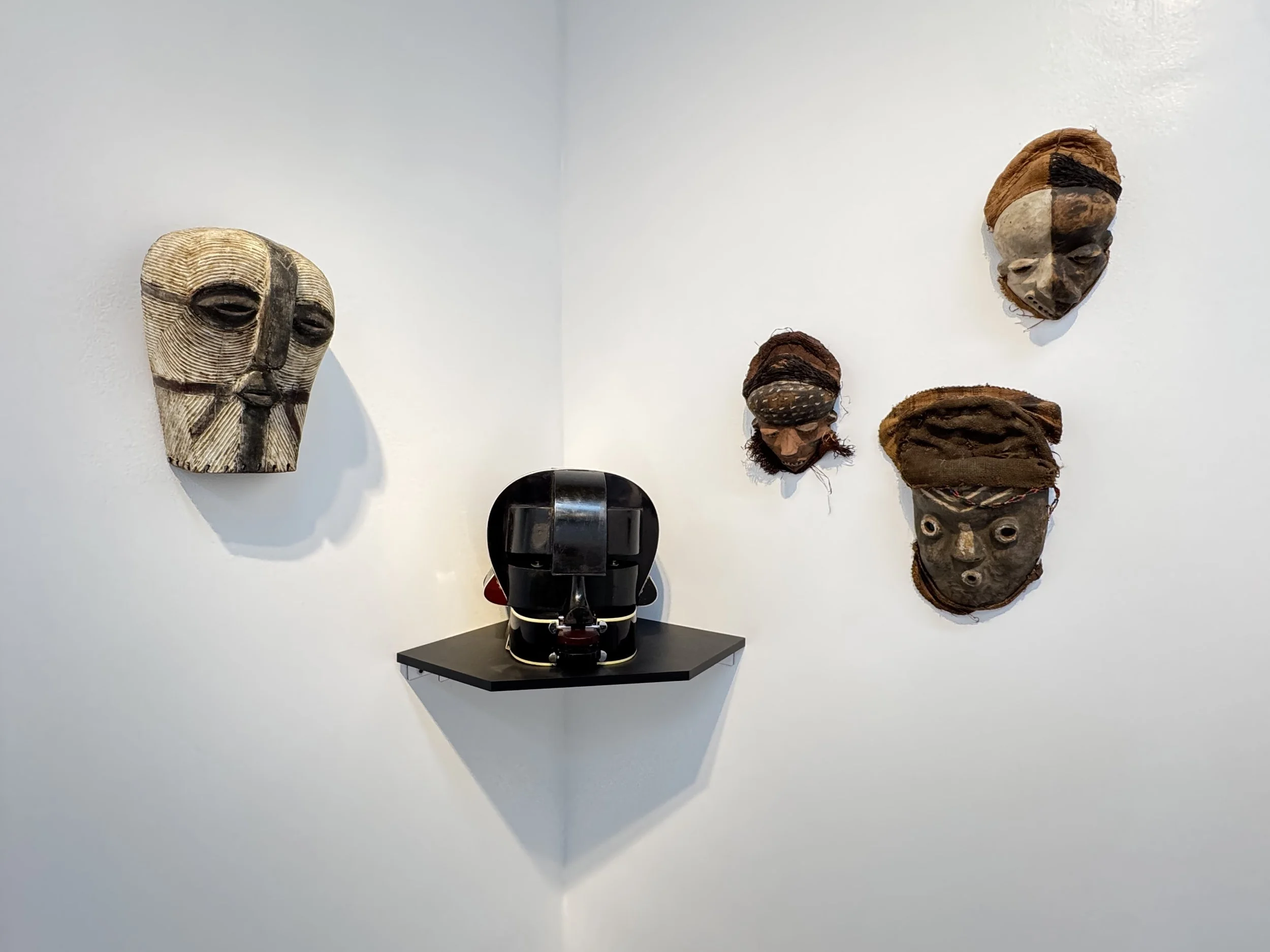
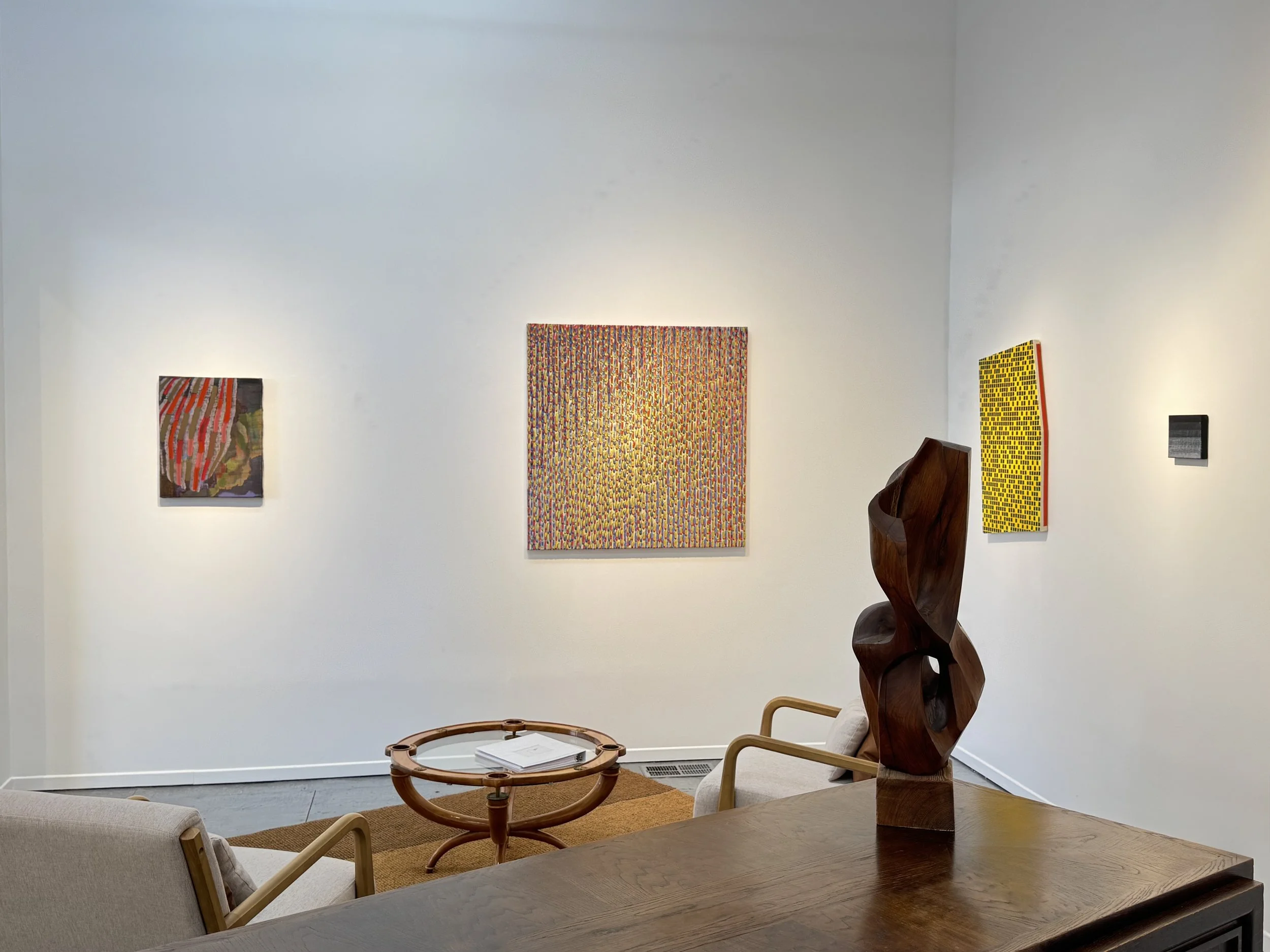
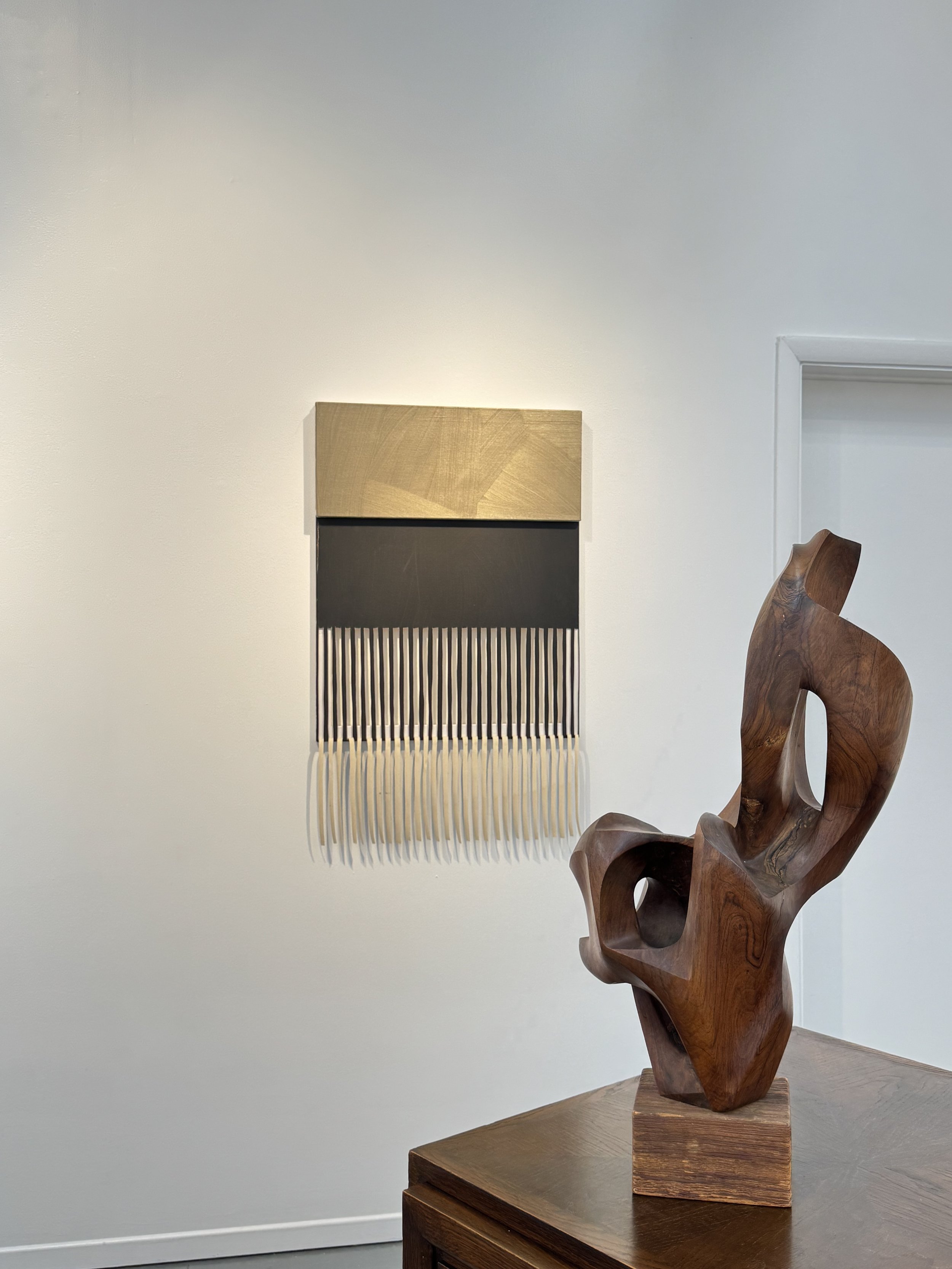
LINE | SPACE
March 20 - May 15, 2026
Akiko MASHIMA | Irene GRAU | Nico MUNUERA | William DOOLEY | Ivan KLIUN (1873-1943) | Willie COLE | Ana PEREZ VENTURA | Luca BUVOLI | Clayton COLVIN | Barbara and MIchael LEISGEN | Derek MAINELLA | Angelo GRANATA (1922-2009) | Melissa VANDENBERG | Peter FOX | Leslie SMITH III
A line is a dot that went for a walk.
- Paul Klee
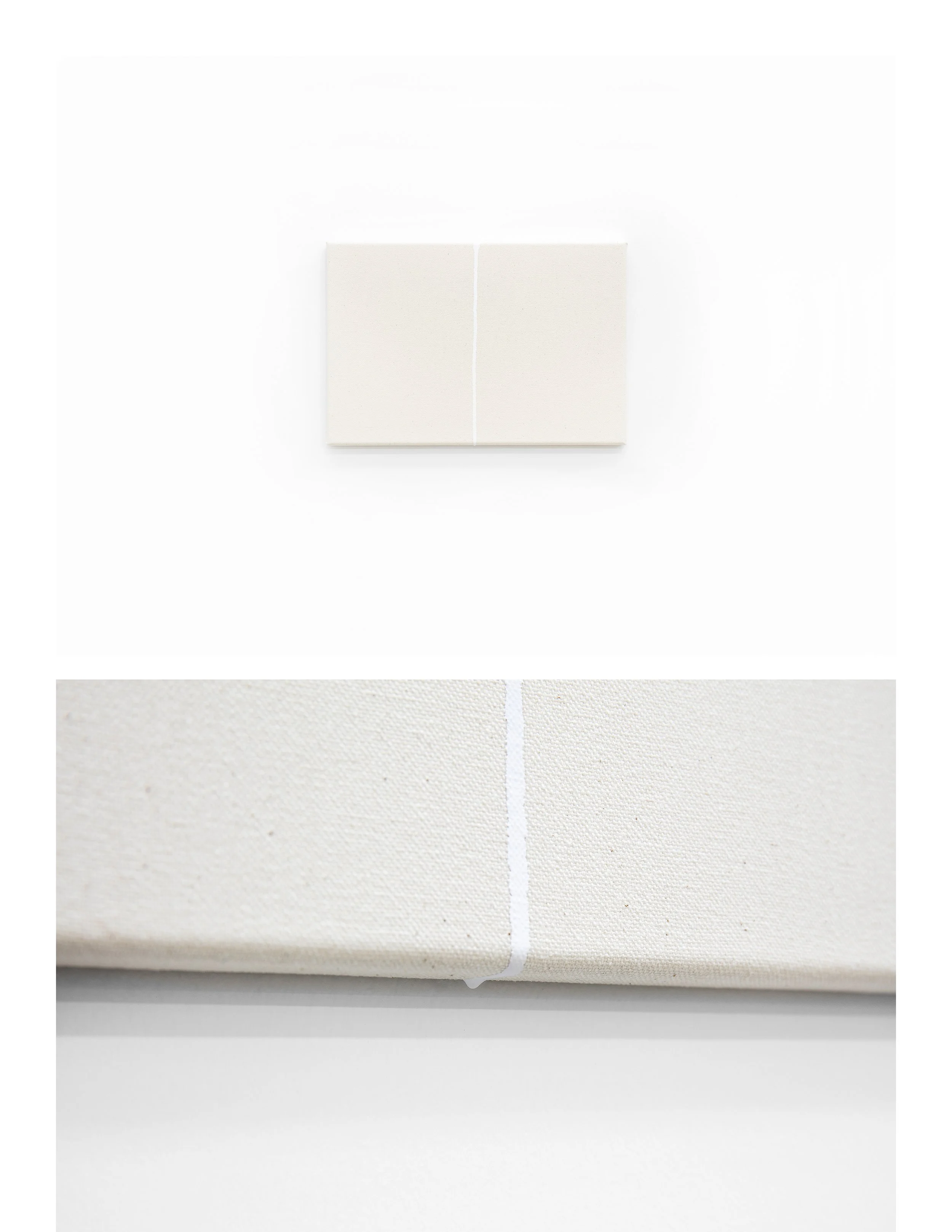
The moving dot, a term coined by Paul Klee, defines the line as a dynamic, active mark rather than a static one. Its starts from one point and moves across a two-dimensional surface or into a three-dimensional space. Lines are used to define boundaries, contours, and shapes. They can create the illusion of three-dimensional space on a flat surface through techniques like contour drawing. Lines do also suggest motion, gesture, and direction, guiding the viewer's eye through a composition. Lines are essential for constructing and defining space.
In art theory, the relationship between line and space is a fundamental dialogue that defines how we perceive form, depth, and energy. A line is more than a mark; it is the "path of a moving dot" that carves out space and gives it meaning.
Line and space are inseparable. A line cannot exist without space to move through, and space remains an empty void until a line defines its limits or guides the eye across it. Whether through the sharp angles of a skyscraper or the organic flow of a landscape, the line acts as the skeletal structure that gives space its character, rhythm, and narrative.
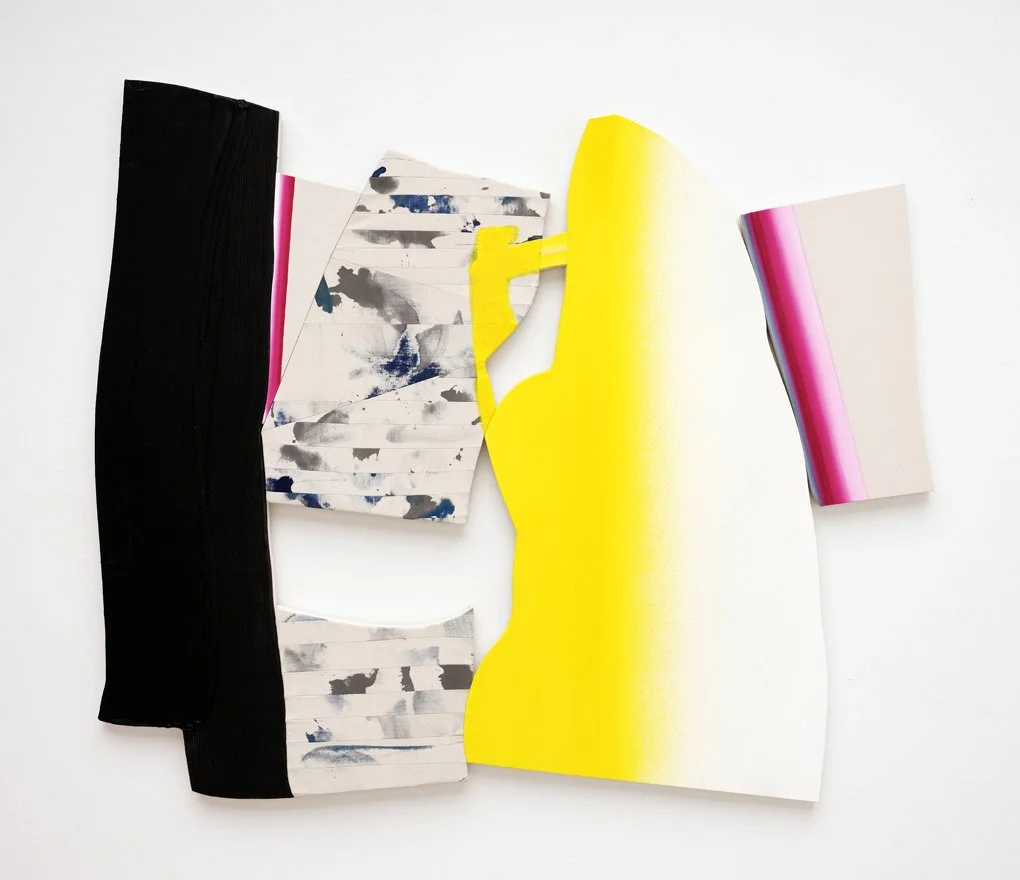
Le Corbusier¹ once illustrated the "human" character of certain lines. Flying over a mountain range, he discovered, amidst the endless variety of its lines, lines of a particular kind, of a particular character, of a particular discipline or order. These were the lines of a mountain road, drawn into nature by human hands.
The same course of a line can possess the character, the expression of the straight, the angular, or the rounded, the soft, as Ozenfant² points out.
With the same tendency, the line can be simple or “a small polyphony arises around the fixed melody,” as Haftmann states in his “Studie zu Klee.”³
- Carl August Bembé “Von der Linie zum Raum,” published by George D. W. Calloway, Munich, 1953
Charles-Édouard Jeanneret (6 October 1887 – 27 August 1965), known as Le Corbusier, was a Swiss-French architectural designer, painter, urban planner and writer who was one of the pioneers of what is now regarded as modern architecture.
¹
Amédée Ozenfant (15 April 1886 – 4 May 1966) was a French cubist painter and writer. Together with Charles-Edouard Jeanneret (later known as Le Corbusier) he founded the Purist movement.
²
“Werner Haftmann, “Paul Klee: Wege bildnerischen Denkens,” published by Prestel Verlag, München, 1950 (“The Mind and Work of Paul Klee” by Werner Haftmannn, published by Frederick A. Praeger, New York, 1967)
In the mid-1950s, Haftmann was also a founding father (along with Arnold Bode) of the four-yearly Documenta exhibitions in Kassel, which provide an overview of contemporary art. Haftmann was the presiding spirit behind the first two exhibitions, in 1955 and 1959, which introduced the younger German public to the modern movements outlawed by the Nazis. The second, more controversial, exhibition, dedicated to art after 1945, presented the triumph of abstraction, spearheaded by the American abstract expressionists. For Haftmann, abstraction was not just a progressive international style but rather a universal language of the future which was capable of absolving the Germans of their sense of historical guilt. With hindsight, it is possible to see how Werner Haftmann was caught up in the politics of his times. His Documenta exhibitions took place in the same years that the Communist regime in East Germany adopted socialist realism as its official style. Haftmann's heroes were Klee, Kandinsky, Nay, Pollock, Winter, and Wols, and he was never really in sympathy with the politically motivated Dadaists, constructivists or critical realists of the 1920s, who had all suffered at the hands of the Nazis. Above all, he was against state intervention in art, and it was for this reason that in 1961 he championed the Spur Group, which was accused by the Munich authorities of obscenity and blasphemy. His intervention reduced their punishment from five months' imprisonment to a suspended sentence. Haftmann was too independent a spirit to be comfortable in institutional roles, but he was nevertheless highly effective as the first director of the New National Gallery in Berlin. On arriving in 1967, he had found one of the greatest collections of modern art totally decimated. He managed not only to secure the loans, gifts and purchases which established a basis for rebuilding the collection, but also to realize the dream of a new gallery, which was built according to Mies van der Rohe's glass and steel design.
³
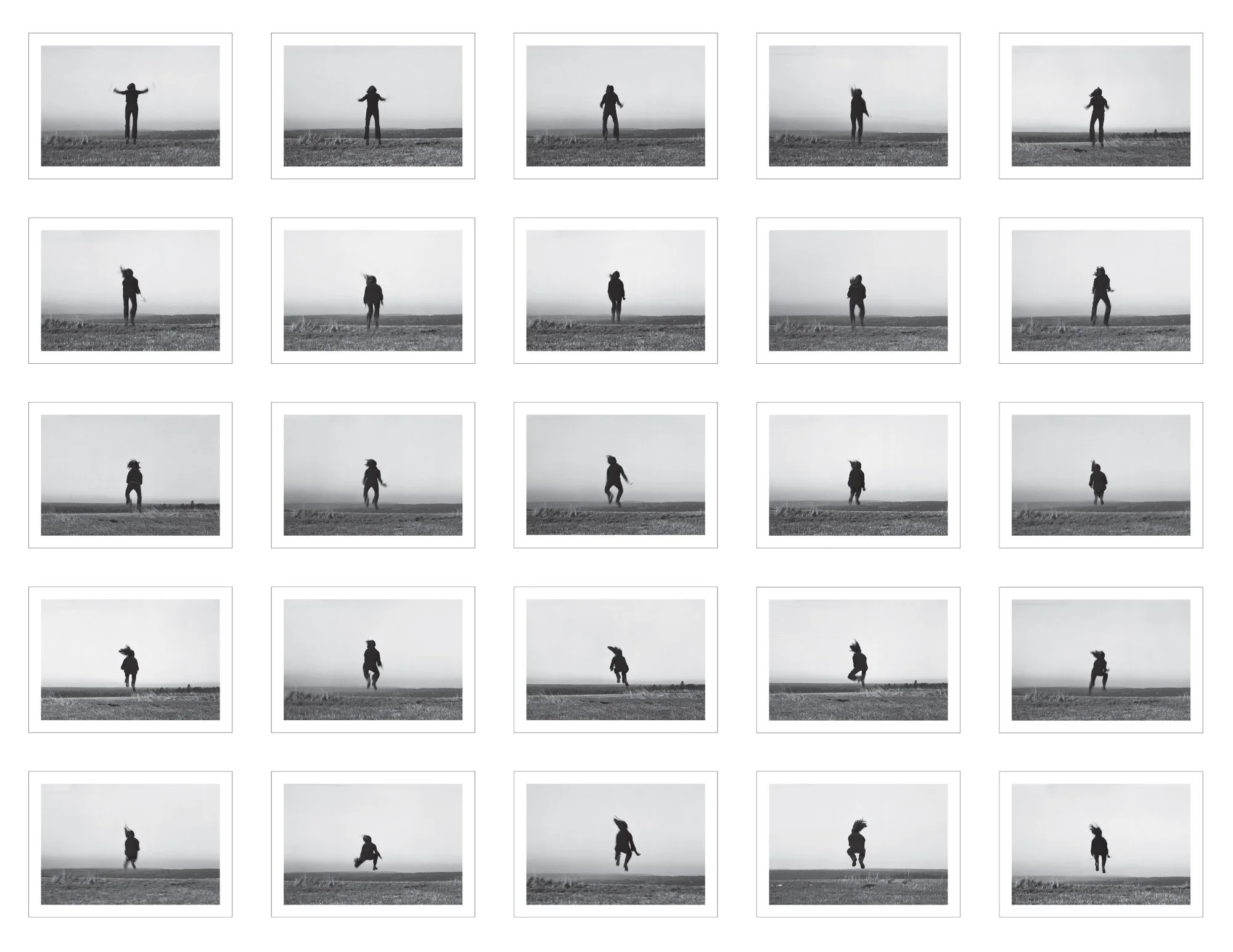
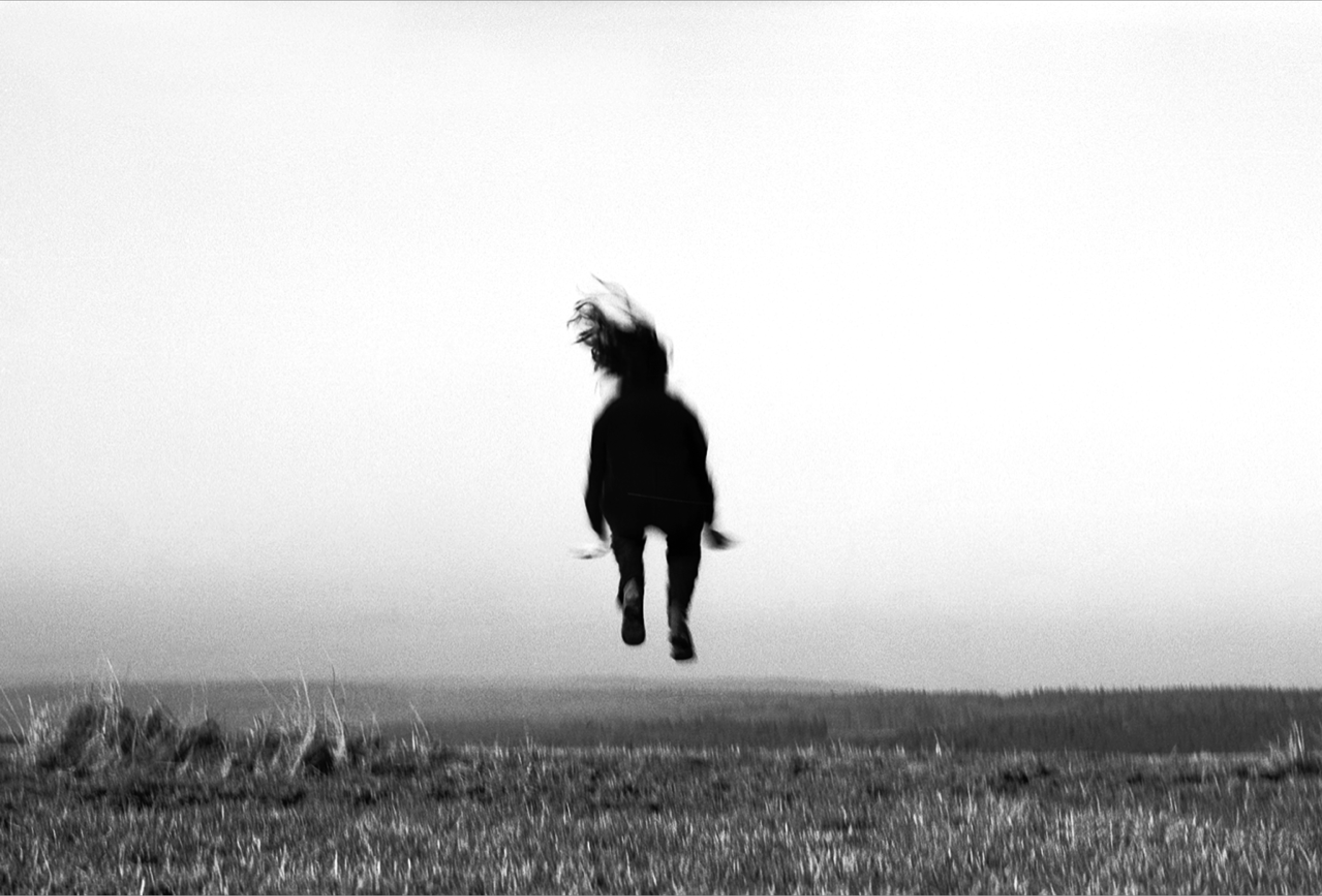
Even one individual line appears as a clear marking in its contact to the space that surrounds it. The simple system of an individual line can be recognized as an overall form from every side. The line holds the eye of the viewer fixed on its trajectory, whose direction is clearly predetermined. It demarcates a piece of sculptural space and defines an open spatial volume.
- Michaela Kamburowa, excerpt from “Die Ordnung der Offenheit” (The Arrangement of Openness), part of the essay “Zwischen Form und Formlosigkeit” (Between Form and Formlessness) included in Norbert Kricke - Raum | Linie (Space | Line),
English translation by Amy Klement, Berlin, Stiftung Liner Appenzell, published by Steidl Verlag, 2012